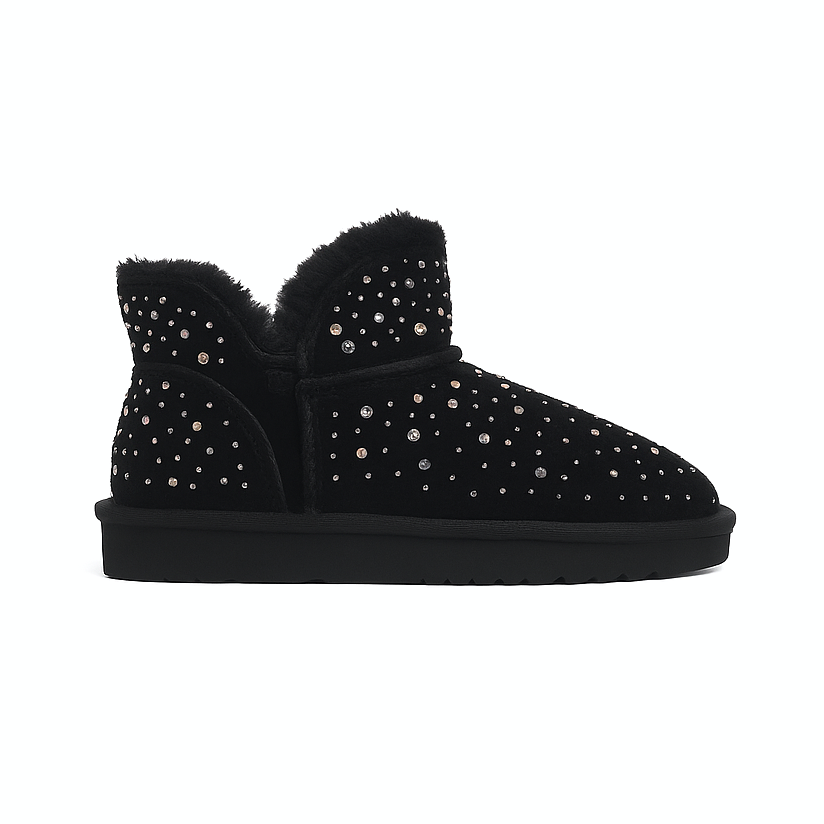
Private label shoe manufacturing lets a brand sell footwear made by a factory under its own name and branding. It is one of the most accessible ways to launch or expand a footwear line without operating your own factory. This guide explains how private label footwear works, what it costs, and how to get started.
What is private label footwear?
Private label footwear is produced by a manufacturer and sold under your brand. You control the brand name, logo, packaging, and presentation, while the factory handles development, materials, and production. The result is a branded product that looks and feels like your own, because it is — only the manufacturing is outsourced.
Private label vs. white label shoes
The terms are often used interchangeably, but there is a useful distinction. White label means applying your branding to an existing factory model — fast and lower-cost. Private label means developing customized or bespoke designs unique to your brand. Many brands start with white-label styles to launch quickly, then move to fully custom private-label development as they grow.
What can be customized?
A capable manufacturer can customize far more than just a logo:
- Custom logos, woven labels, and heat-transfer branding
- Branded insoles, sock liners, and outsole logo embossing
- Custom colorways, materials, and design modifications
- Custom shoe boxes, tissue, hangtags, and retail-ready packaging
- Barcoding and labeling to your retailer’s requirements
How much does private label shoe manufacturing cost?
Costs depend on the style, materials, level of customization, and order quantity. White-label styles with simple branding cost less, while fully custom private-label development adds design, sampling, and sometimes tooling costs. The best way to budget is to request a quote that breaks down unit price, MOQ, sampling fees, and packaging.
What is the typical MOQ for private label shoes?
Minimum order quantities vary by factory and style. Simpler white-label products tend to have lower MOQs, while custom private-label development usually requires higher minimums to justify setup and materials. Always confirm the MOQ for your specific project before planning your launch.
How does the private label process work?
- Define your concept — styles, target market, and branding.
- Request quotes — pricing, MOQ, and lead times from manufacturers.
- Develop and sample — approve materials, fit, and branding.
- Bulk production — the factory manufactures your branded order.
- Quality control and shipping — inspection, packaging, and export.
How do you protect your brand and designs?
Work with a manufacturer that produces exclusively for you and does not resell your designs to other buyers. Reputable factories treat your branding and designs as confidential. For added protection, register your trademark and, where relevant, use design agreements with your manufacturer.
Is private label footwear right for your brand?
Private label is ideal if you want a branded product, controlled margins, and the flexibility to grow from small batches to large programs — without the capital and complexity of running a factory. It suits new brands launching a first collection and established retailers building exclusive lines.
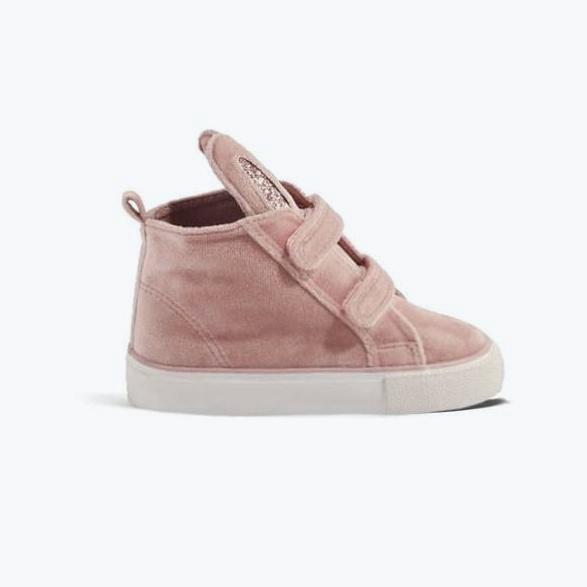
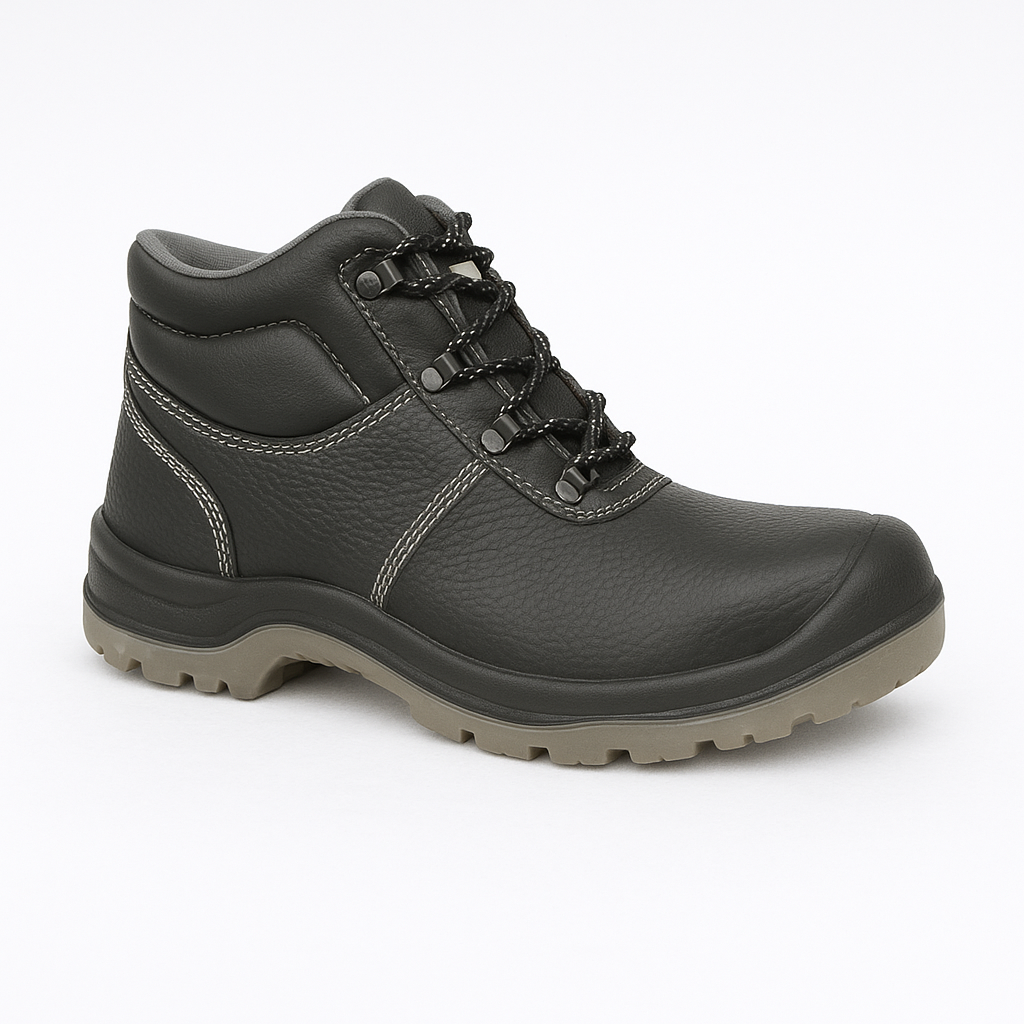
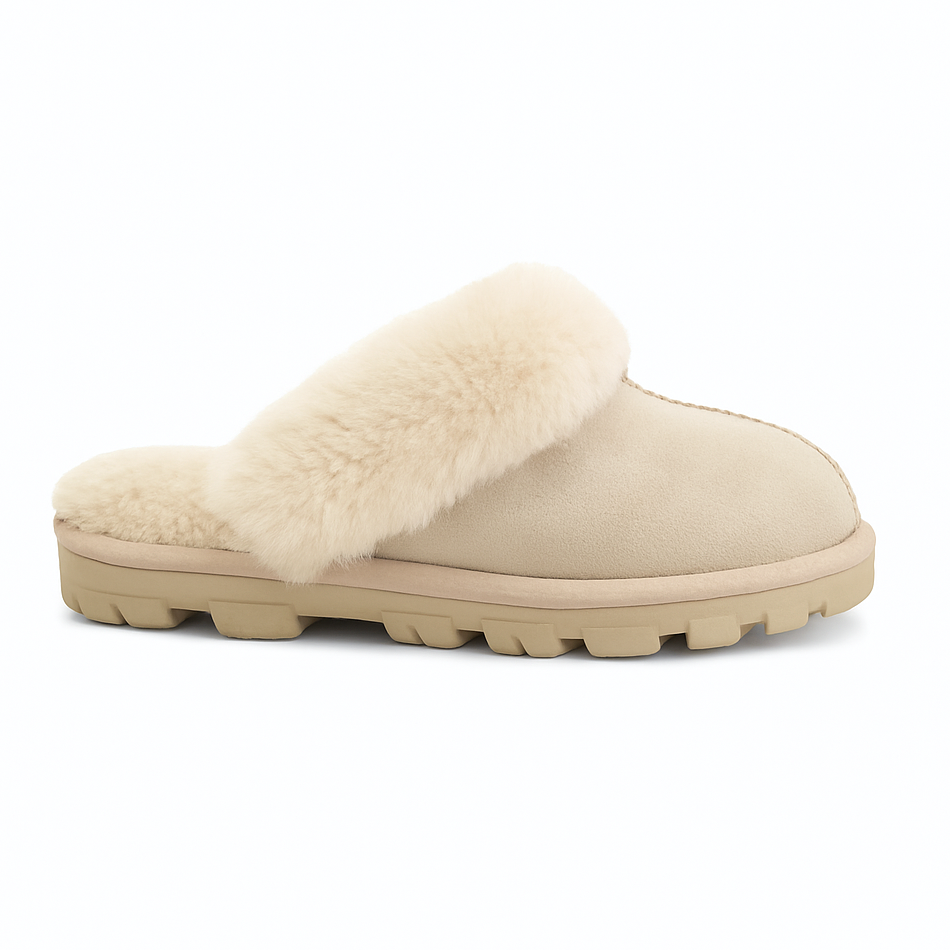
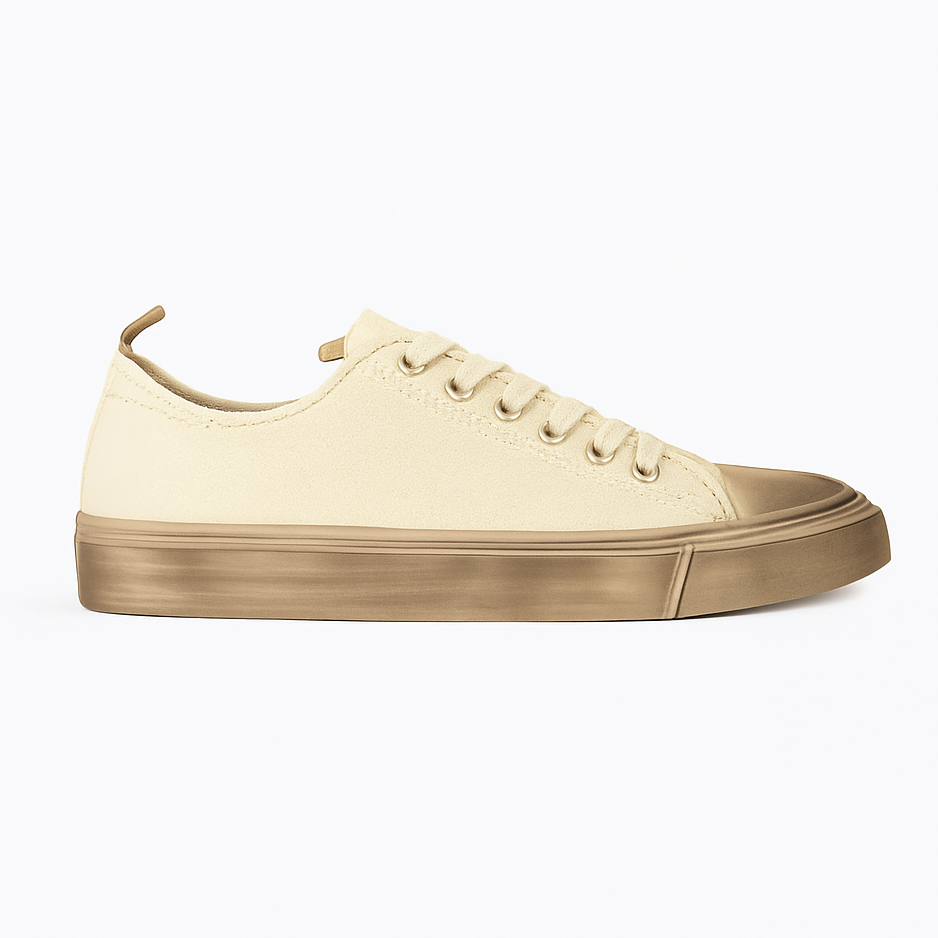
QD Bestrade offers private label and white label manufacturing across sneakers, safety shoes, slippers, kids’ shoes, and snow boots, backed by BSCI, ISO 9001, and CSA-certified safety footwear. Learn about our private label services or contact us to start your branded shoe line.
