If you are sourcing footwear from a manufacturer, you will quickly run into two terms: OEM and ODM. Understanding the difference is essential, because it determines how much design work you do, how much the factory does, and what kind of partner you should look for. This article explains OEM vs ODM footwear manufacturing for brands, importers, and retailers.
What does OEM mean in footwear?
OEM stands for Original Equipment Manufacturer. In footwear, an OEM factory builds shoes exactly to your designs and specifications. You provide the tech pack, materials list, measurements, and branding, and the factory manufactures the product. The intellectual property and design belong to you — the factory simply produces it.
OEM is the right model if you already have finished designs and want a reliable factory to manufacture them consistently and at scale.
What does ODM mean in footwear?
ODM stands for Original Design Manufacturer. An ODM factory has its own development team that helps design and engineer footwear with you, or offers existing designs you can customize and rebrand. You contribute direction, branding, and requirements, and the factory handles much of the design and technical development.
ODM is the right model if you do not have an in-house design team, want to launch quickly, or need help turning an idea into a manufacturable product.
OEM vs ODM: key differences
- Design ownership: OEM — you own the design; ODM — design is developed by or with the factory.
- Design effort: OEM requires complete tech packs from you; ODM provides design support.
- Speed to market: ODM is often faster for new brands; OEM depends on your design readiness.
- Customization: OEM offers full control; ODM offers customization of existing or co-developed models.
- Best for: OEM suits established brands; ODM suits new or expanding brands.
Which is cheaper, OEM or ODM?
Neither is inherently cheaper — it depends on your situation. OEM can be more cost-effective if you already have designs and avoid development fees. ODM may involve development or tooling costs, but it saves you the expense of building an in-house design team. For many new brands, ODM is more economical overall because it reduces upfront design investment.
Can one factory offer both OEM and ODM?
Yes. Many capable footwear manufacturers offer both, which is ideal. You might start with ODM to develop your first collection, then move to OEM for repeat production once your designs are finalized. Working with one manufacturer that handles both keeps development, sampling, and production under one roof.
What about private label and white label?
Private label and white label are closely related to OEM and ODM. White label means rebranding an existing factory model as your own — often an ODM offering. Private label means producing customized or bespoke products under your brand — which can be OEM or ODM depending on who designs them. In all cases, the goal is footwear sold under your brand name.
How to choose between OEM and ODM
Ask yourself: Do I have complete, production-ready designs? If yes, OEM is likely the fit. Do I need design help, faster launch, or lower upfront investment? If yes, ODM is likely better. Many brands use a mix — ODM for new development and OEM for proven styles.
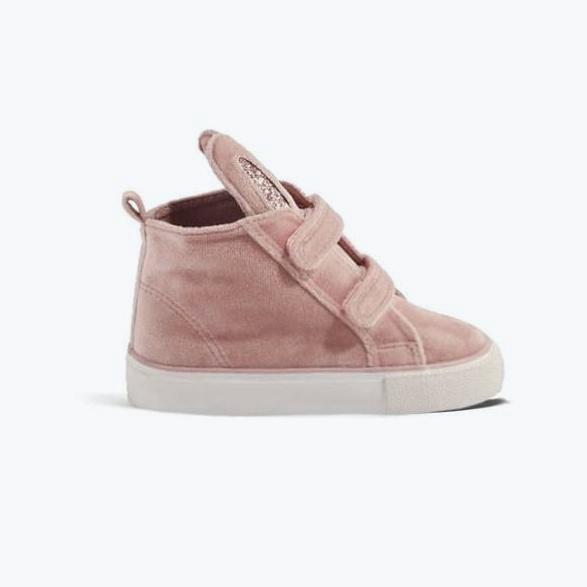
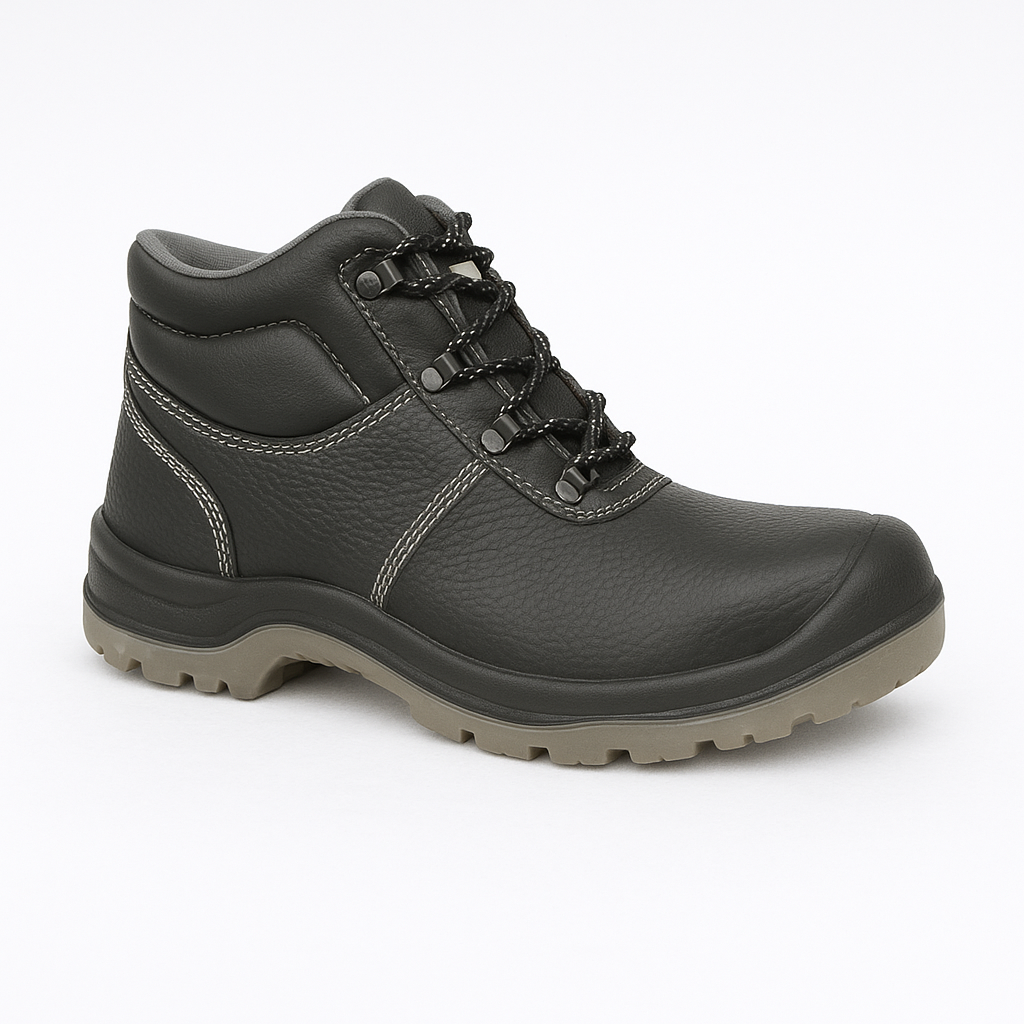
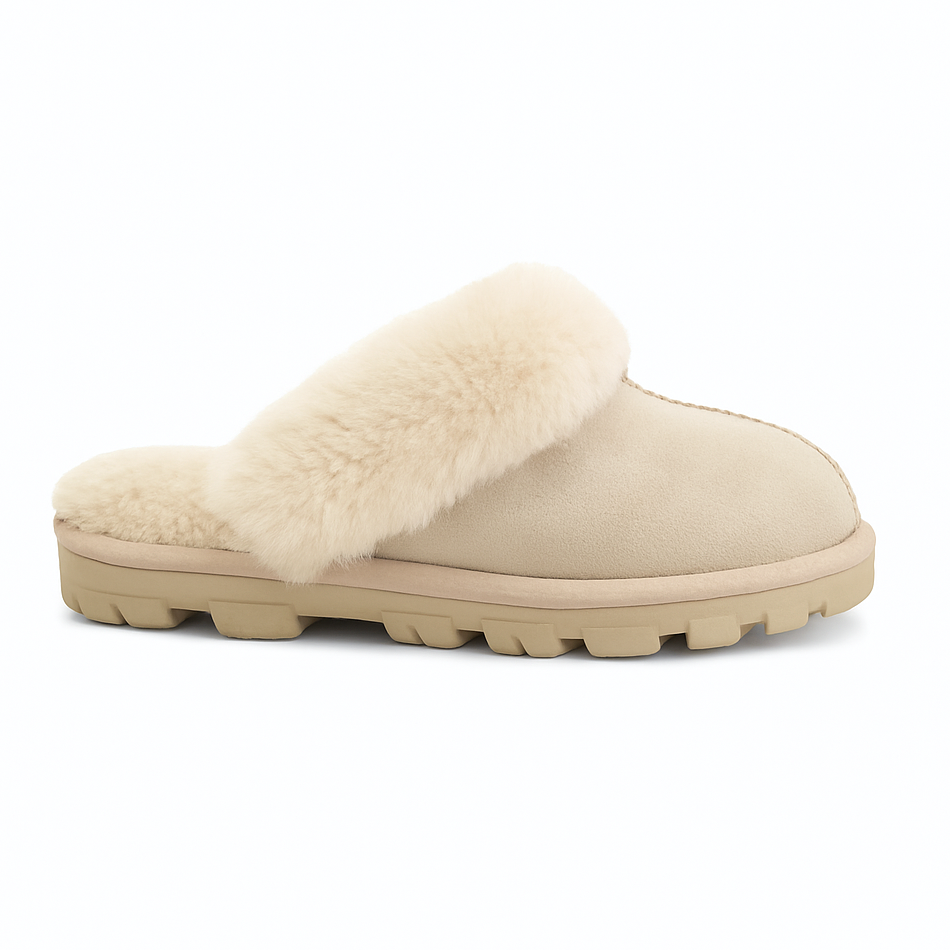
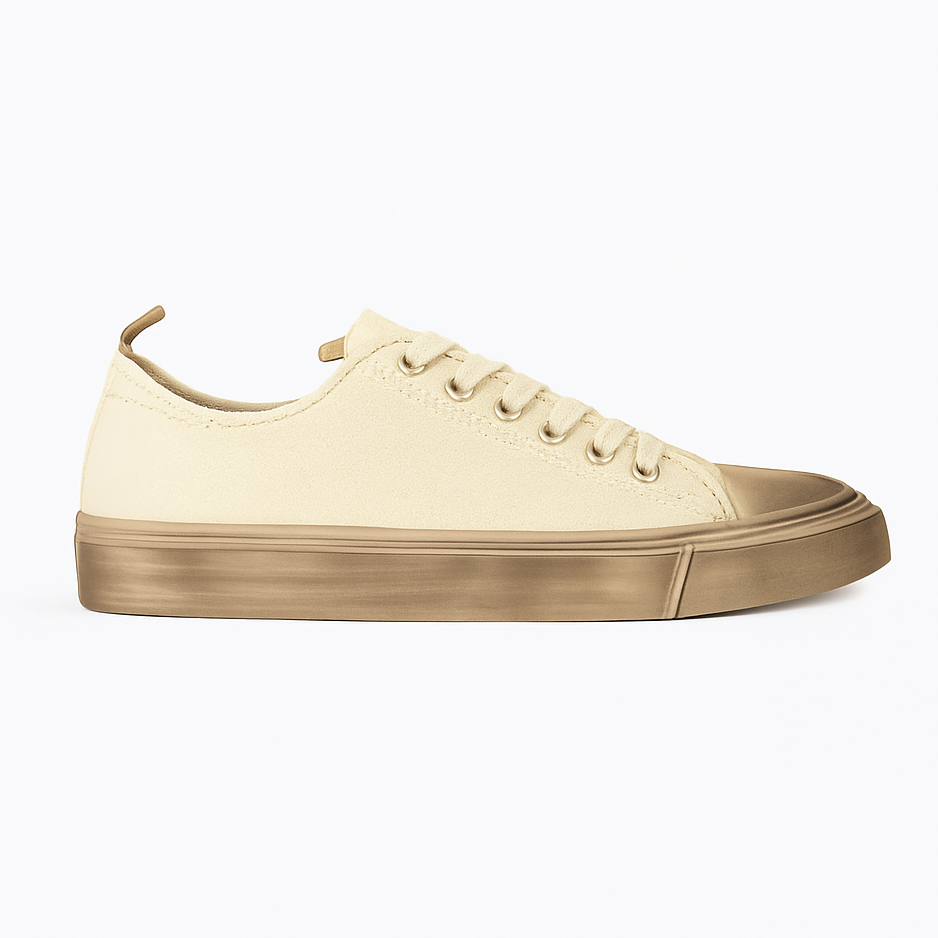
QD Bestrade offers both OEM and ODM footwear manufacturing for global brands, covering sneakers, safety shoes, slippers, kids’ shoes, and snow boots. Whether you have a finished tech pack or just an idea, our development team can help. Learn more about our OEM & ODM services or contact us for a quote.
